Understanding the Difference Between Arthritis and Joint Pain: What Every Adult 40+ Should Know
🦵 Why Understanding Your Pain Matters
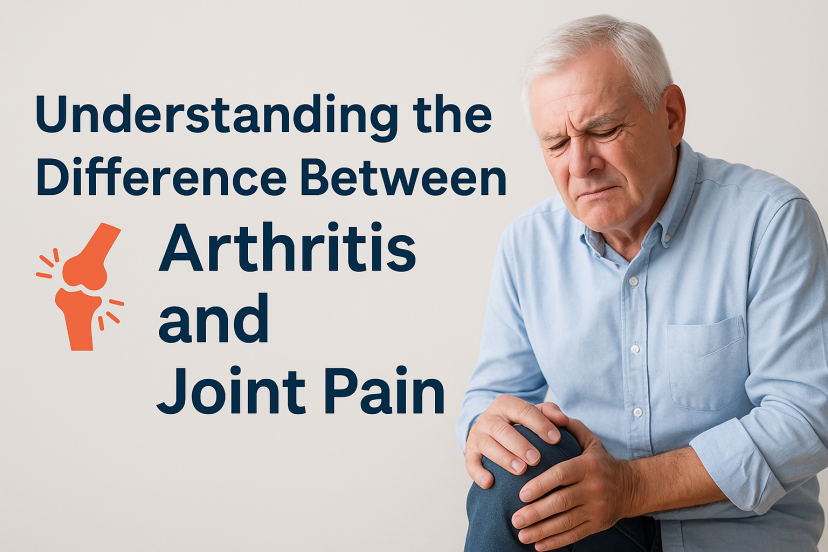
If you’re over 40 and starting to feel stiffness when you get out of bed, discomfort climbing stairs, or a dull ache after sitting too long, you’re not alone. Millions of adults in the United States experience daily joint discomfort — but not all joint pain is arthritis.
For many readers, the worry begins the moment pain becomes frequent:
“Is this just normal aging… or do I have arthritis?”
This guide provides a clear, supportive explanation of arthritis vs joint pain, helping you understand what’s happening inside your body — and more importantly, what you can realistically do to stay mobile, comfortable, and active. Whether your pain is caused by inflammation, wear-and-tear, or simple overuse, knowing the difference empowers you to choose the right treatments, lifestyle changes, and prevention strategies.
🔍 Arthritis vs Joint Pain: What’s the Real Difference?
While people often use the terms interchangeably, arthritis and general joint pain are not the same.
-
Joint pain is a symptom — discomfort, stiffness, or soreness in a joint.
-
Arthritis is a condition — a disease that causes inflammation, damage, or degeneration of the joint.
You can have joint pain without having arthritis, but nearly all forms of arthritis involve joint pain.
Understanding this distinction helps guide treatment. General joint pain may improve with rest, light movement, stretching, and over-the-counter support. Arthritis, on the other hand, often requires ongoing management, anti-inflammatory interventions, and sometimes medical care.
🦵 What Exactly Is Arthritis?
Arthritis refers to more than 100 medical conditions that cause inflammation and degeneration in the joints. The most common types affecting U.S. adults include:
Osteoarthritis (OA) — Wear-And-Tear Degeneration
This is the most common form, especially among adults 40+.
Key features include:
-
Cartilage breakdown
-
Bone-on-bone friction
-
Pain that worsens with activity
-
Stiffness after rest
Osteoarthritis often affects:
-
Knees
-
Hips
-
Spine
-
Hands
OA is more mechanical — related to aging, previous injuries, excess weight, and repetitive stress.
Rheumatoid Arthritis (RA) — Autoimmune Inflammation
Rheumatoid arthritis is very different. It is an autoimmune disease, meaning the immune system mistakenly attacks healthy joint tissues.
Key signs of RA include:
-
Morning stiffness lasting 30–60 minutes or more
-
Small joint pain (hands, wrists, feet)
-
Warmth and swelling
-
Fatigue
-
Flare-ups
RA affects about 1.3 million Americans, and early detection helps protect long-term mobility.
🦵 What Is Joint Pain (Arthralgia)?
General joint pain may come from many sources — not all of them chronic or degenerative.
Common causes include:
-
Overuse from physical work or exercise
-
Tendon or ligament strain
-
Bursitis
-
Temporary inflammation
-
Poor posture
-
Excess weight
-
Stress-related muscle tension
-
Previous injury
-
Aging-related stiffness without arthritis
Joint pain doesn’t always involve structural damage. In many cases, it can improve with:
-
Heat therapy
-
Movement
-
Rest
-
Gentle stretching
-
Anti-inflammatory foods
-
Natural supplements
-
Correct posture
This is where it’s crucial to compare arthritis vs joint pain because symptoms can overlap — but long-term treatment may differ.
💡 Symptoms Comparison: Arthritis vs Joint Pain
Here is a simple way to tell the difference:
🔍 Arthritis Symptoms
People with arthritis often experience:
-
Persistent inflammation
-
Swelling around the joint
-
Stiffness lasting over 20–30 minutes
-
Pain during rest and movement
-
Progressive worsening over months or years
-
Grinding, cracking, or popping
-
Reduced range of motion
Arthritis pain tends to be deep, achy, or sharp, often following a pattern.
🔍 General Joint Pain Symptoms
Joint pain without arthritis typically presents as:
-
Temporary soreness after activity
-
Mild stiffness that improves with movement
-
Pain linked to specific triggers (lifting, long walks, cold weather)
-
No visible swelling
-
Improvement within days or weeks
This type of pain tends to come and go rather than worsen progressively.
🦵 Key Causes: Why Arthritis Happens vs Why Joint Pain Happens
🧬 Causes of Arthritis
The causes of arthritis depend on the type:
-
Osteoarthritis:
-
Aging
-
Cartilage wear
-
Previous injuries
-
Obesity
-
Genetics
-
Repetitive physical stress
-
-
Rheumatoid arthritis:
-
Autoimmune dysfunction
-
Genetic and environmental triggers
-
Smoking or chronic inflammation
-
🧩 Causes of General Joint Pain
Joint pain (without arthritis) may result from:
-
Overuse injuries
-
Minor sprains
-
Poor ergonomics (common for desk workers)
-
Muscle tightness
-
Sedentary behavior
-
Nutrient deficiencies
-
Inflammation from diet
-
Weather changes
-
Everyday wear-and-tear
Chronic pain is often related to lifestyle instead of disease.
🦵 Treatment Options: Managing Arthritis vs Joint Pain
💊 Medical Treatments for Arthritis
Many U.S. adults benefit from a combination of:
-
NSAIDs
-
Corticosteroid injections
-
Physical therapy
-
Hyaluronic acid injections
-
Disease-modifying drugs (DMARDs for RA)
-
Joint replacement (severe cases)
Treatment focuses on reducing inflammation, preserving mobility, and slowing joint degeneration.
🌿 Natural Relief for Arthritis
Evidence-supported natural options include:
-
Turmeric (curcumin)
-
Glucosamine and chondroitin
-
Omega-3 fatty acids
-
Collagen peptides
-
Anti-inflammatory diet
These supplements are widely used in the U.S. and often recommended by integrative health practitioners.
🦵 Treatment Options for General Joint Pain
Lifestyle-Based Relief
People with non-arthritic joint pain often respond well to:
-
Heat therapy for stiffness
-
Ice therapy for inflammation
-
Daily movement and stretching
-
Posture correction
-
Weight management
-
Gentle strengthening exercises
Natural Supplements for Joint Comfort
These can offer relief:
-
Glucosamine
-
Turmeric
-
Boswellia
-
Magnesium
-
Omega-3s
Physical Therapy & Mobility Work
Therapists often recommend:
-
Low-impact exercise
-
Strengthening of supporting muscles
-
Hip and core stabilization
-
Gentle range-of-motion routines
🦵 Prevention Tips: Protecting Your Joints for Life
Here’s how U.S. adults 40+ can reduce long-term risk and maintain joint comfort:
-
Maintain a healthy weight to reduce pressure on knees and hips
-
Strengthen leg and core muscles
-
Use ergonomic chairs and workstations
-
Stay active daily with walking, swimming, or stretching
-
Eat anti-inflammatory foods (greens, berries, olive oil, fish)
-
Avoid smoking (increases inflammation and RA risk)
-
Supplement wisely with turmeric, omega-3s, and glucosamine
🩺 When to See a Doctor
Seek medical evaluation if you experience:
-
Severe or sudden joint pain
-
Swelling lasting more than 48 hours
-
Redness or warmth in a joint
-
Morning stiffness over 30–60 minutes
-
Difficulty walking or gripping
-
Pain that disrupts sleep
-
Symptoms of rheumatoid arthritis (symmetrical joint pain, fatigue, swelling)
-
Pain lasting longer than three months
Early diagnosis improves long-term joint health.
❓ FAQs Related to Arthritis vs Joint Pain
1. How can I tell if my joint pain is arthritis?
Look for swelling, warmth, morning stiffness for over 20–30 minutes, and pain that worsens over time.
2. Can joint pain go away on its own?
Yes — if it’s caused by overuse, strain, or temporary inflammation. Arthritis pain usually does not disappear without ongoing treatment.
3. Is arthritis a form of chronic pain?
Yes. Arthritis is a chronic condition that causes long-term inflammation and discomfort.
4. What is the best treatment for osteoarthritis?
A combination of weight control, physical therapy, anti-inflammatory supplements, and medical treatments such as NSAIDs or injections.
5. Can arthritis start suddenly?
Rheumatoid arthritis can appear suddenly or gradually. Osteoarthritis usually develops slowly.
6. Does the weather affect arthritis or joint pain?
Cold or humid weather may temporarily increase stiffness or discomfort in sensitive joints.
7. What foods help reduce joint inflammation?
Foods rich in omega-3s, turmeric, leafy greens, berries, olive oil, and fatty fish help support joint health.
💥 Conclusion: You Can Stay Mobile, Active, and Pain-Free
Understanding the difference between arthritis vs joint pain is one of the most empowering steps toward better mobility and long-term comfort. Whether your discomfort is caused by inflammation, wear-and-tear, or temporary strain, plenty of proven strategies — from lifestyle adjustments to natural supplements — can help relieve pain and protect your joints.
Small changes lead to big results. Start with gentle movement, daily stretching, and anti-inflammatory nutrition. Your joints will thank you.
📝 Medical Disclaimer
This article is for educational purposes only and is not a substitute for professional medical advice. Always consult with a licensed healthcare provider for diagnosis and treatment.
 Explore more:
- Best Sleeping Positions for Joint Pain and Arthritis
- The Link Between Stress, Inflammation, and Joint Pain
- Can Weather Changes Trigger Joint Pain?