Knee Joint Pain When Climbing Stairs: Why It Happens & How to Fix It Naturally
🌿 When Everyday Stairs Start Feeling Like a Challenge
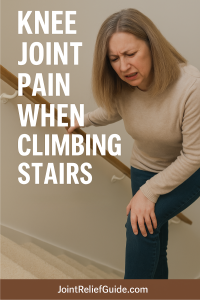
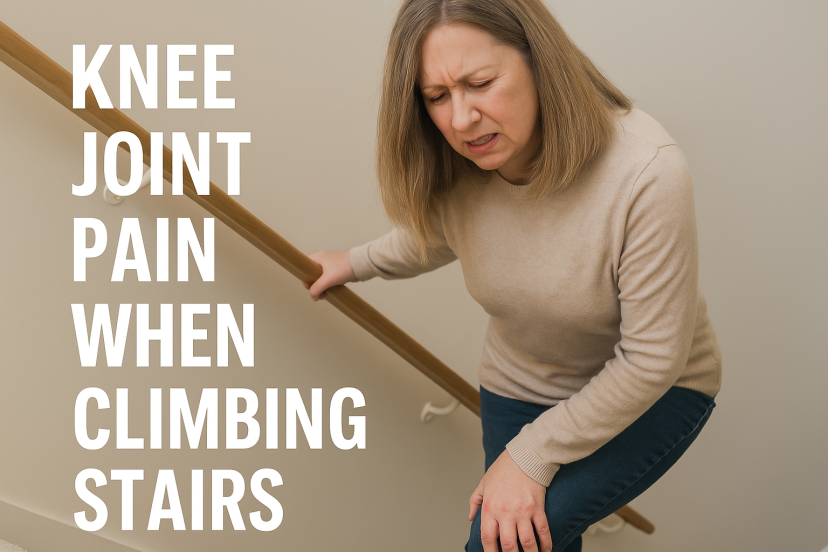
If you’ve recently noticed knee joint pain when climbing stairs, you’re not alone. Millions of U.S. adults—especially those over 40—experience pain, stiffness, or pressure in the knees when going up or down stairs. What used to feel automatic now requires effort, planning, or even a handrail.
Maybe the pain hits on the first step going up. Maybe you feel a sharp twinge when stepping down. Or maybe your knees ache during daily stair climbing, even when you’re otherwise fine walking on flat ground. It can be frustrating, limiting, and even alarming.
The good news: there ARE practical, science-backed ways to reduce stair-related knee pain, strengthen your joints, and regain confidence in your mobility. This guide explains why stairs strain your knees, how to manage discomfort, and what exercises, habits, and natural remedies can help you climb stairs without wincing.
🦵 Why Knee Joint Pain Happens When Climbing Stairs
Climbing stairs increases compressive force on the knee joint by up to 3–5 times your body weight, according to U.S. orthopedic research. For people dealing with inflammation, mild arthritis, weak muscles, or poor movement mechanics, this extra loading quickly turns into pain.
💪 Key Reasons Stairs Trigger Knee Pain
-
Patellofemoral overload (pressure behind the kneecap)
-
Weak quadriceps or glute muscles
-
Tight calves or hip flexors affecting knee alignment
-
Early osteoarthritis or cartilage thinning
-
Previous injuries (meniscus tear, ligament strain)
-
Age-related stiffness that increases joint friction
Many people describe the sensation as stair climbing knee pain, a deep ache when pushing upward, or a sharp pull when descending.
🦵 Why Stairs Hurt More Than Walking
Walking spreads the load evenly.
Stairs force your knee to bend deeper, which:
-
Increases joint compression
-
Requires more quadriceps activation
-
Stresses the patellar tendon
-
Engages the joint in a more mechanically demanding angle
This explains why joint pain going up stairs may appear even when flat walking feels fine.
💡 Common Symptoms of Knee Joint Strain on Stairs
Recognizing early symptoms can help you intervene before the pain becomes chronic.
🌿 Symptoms Often Reported by Adults 40+
-
Pain at the front of the knee (patellofemoral pain)
-
Clicking or grinding sensations
-
Sharp pain when stepping down
-
Aching around the kneecap after stair climbing
-
Stiffness in the morning or after sitting
-
Swelling or warmth after daily stairs
These symptoms are especially common among people experiencing knee pain everyday stairs as part of their routine.
🧠 What’s Actually Happening Inside the Knee Joint?
The knee is a hinge joint supported by cartilage, ligaments, fluid, and muscle. Stairs require:
-
Deep flexion
-
Strong quadriceps contraction
-
Proper patellar tracking
If any structure is irritated or weakened, knee joint strain stairs becomes more likely.
Key Structures Involved
-
Patellar tendon: strained during uphill steps
-
Meniscus: compressed with rotational forces
-
Cartilage: thins with age, increasing friction
-
Synovial fluid: decreases over time, reducing lubrication
Understanding these mechanics helps you choose exercises and relief strategies that truly work.
🔍 Practical Step-By-Step Techniques to Reduce Pain on Stairs
🦵 Modify Your Climbing Technique
Try these adjustments while climbing stairs:
-
Lean slightly forward to shift load away from the knees
-
Use your glutes by pushing through your heel rather than your toes
-
Shorten your steps instead of taking deep, high steps
-
Take one step at a time during flare-ups
🦵 Tips for Descending Without Pain
Descending is often more painful because the knee serves as a shock absorber.
Use these strategies:
-
Turn slightly sideways to reduce compressive force
-
Hold a railing to distribute load
-
Bend knees slightly to absorb impact evenly
-
Move slowly and deliberately
These techniques reduce stair climbing knee pain almost immediately for many adults.
💪 Home Exercises That Strengthen Your Knees for Stair Climbing
Strengthening the muscles around the knee is one of the most effective ways to reduce pain long-term.
🌿 Essential Strength Exercises (3–4 Times Weekly)
-
Wall sits (30–45 seconds)
-
Straight leg raises
-
Mini-squats
-
Step-ups on a low platform
-
Glute bridges
-
Side-lying leg lifts
🧠 Why These Exercises Work
They:
-
Improve patellar tracking
-
Reduce joint load
-
Strengthen quadriceps and glutes
-
Improve stair-climbing tolerance
For people experiencing joint pain going up stairs, these exercises can bring noticeable relief within 2–4 weeks.
🌿 Gentle Stretches That Reduce Pressure on the Knee Joint
Tight muscles pull the knee out of proper alignment.
💪 Stretch These Areas Daily:
-
Calves
-
Hamstrings
-
Hip flexors
-
Quadriceps
-
IT band (foam rolling)
These stretches improve mobility and help reduce knee joint pain when climbing stairs by improving joint mechanics.
💊 Natural Supplements That Support Knee Joint Health
Adults over 40 often benefit from additional joint nutritional support.
🌿 Evidence-Based Supplements
-
Glucosamine sulfate: Promotes cartilage cushioning and joint lubrication
-
Turmeric (curcumin): Reduces inflammation naturally
-
Omega-3 fatty acids: Supports cartilage health and reduces swelling
-
MSM: Helps connective tissue repair
-
Collagen peptides: Supports joint structure and strength
These supplements are widely used in the U.S. for stair-related knee joint stress and overall mobility improvement.
🌿 Anti-Inflammatory Diet to Help Reduce Knee Pain
Inflammation directly affects knee discomfort.
🥗 Foods That Calm Joint Inflammation
-
Leafy greens
-
Berries
-
Fatty fish
-
Nuts and seeds
-
Olive oil
-
Ginger and turmeric
🚫 Foods That May Worsen Inflammation
-
Sugary snacks
-
Processed foods
-
Red meats in excess
-
Fried foods
-
Alcohol overuse
A knee-friendly diet can greatly reduce daily pain, especially for people with knee pain everyday stairs.
🧑 Real-Life Coping Strategies for Older Adults
Stairs aren’t optional in many homes, workplaces, or public spaces. These strategies make everyday navigating safer and more comfortable.
🌿 Practical Tips
-
Use handrails to reduce knee load
-
Take one step at a time during flare-ups
-
Place less weight on your painful knee
-
Strength-train consistently
-
Avoid rushing up or down stairs
-
Wear supportive shoes with cushioning
-
Check your home for safe stair lighting
These small adjustments can significantly reduce knee joint strain stairs during daily activities.
🚑 When to See a Doctor About Stair-Related Knee Pain
Seek professional care if you experience:
-
Pain lasting longer than 2–3 weeks
-
Swelling that doesn’t go away
-
Inability to bear weight comfortably
-
Hearing or feeling a pop during movement
-
Locking, buckling, or giving way
-
Sudden sharp pain that worsens over time
These symptoms may indicate issues such as:
-
Meniscus tear
-
Patellofemoral syndrome
-
Arthritis progression
-
Tendonitis
-
Ligament damage
❓ FAQs About Knee Joint Pain When Climbing Stairs
1. Why do my knees hurt more on stairs than on flat ground?
Stairs require deeper knee bending and higher joint pressure, which aggravates irritated tissues.
2. Is stair pain always a sign of arthritis?
Not always. Weak muscles, misalignment, and tendon irritation also cause stair-climbing knee pain.
3. Should I avoid stairs completely if they hurt?
During flare-ups, reducing stair use helps. Long-term, strengthening muscles is key.
4. Can going downstairs be worse than going up?
Yes—descending puts even greater load on the patellar tendon and joint surfaces.
5. Do knee braces help with stair pain?
Many people find relief with braces that improve patellar tracking and joint stability.
6. What is the best exercise to reduce knee pain on stairs?
Step-ups, mini-squats, and wall sits strengthen key muscles for stair climbing.
7. Can supplements reduce knee pain on stairs?
Yes—glucosamine, turmeric, omega-3s, and collagen may decrease inflammation and improve comfort.
🌟 Conclusion: You Can Climb Stairs Comfortably Again
Experiencing knee joint pain when climbing stairs can feel discouraging, but it doesn’t mean your mobility is gone for good. With the right combination of strength training, stretching, improved technique, supportive footwear, and natural anti-inflammatory approaches, you can rebuild confidence—and reduce pain dramatically.
Your knees are capable of healing and adapting. Start today with small, consistent steps, and enjoy the comfort and independence that comes with stronger, healthier joints.
⚠️ Medical Disclaimer
This article provides educational information only and does not replace professional medical advice. Always consult a healthcare provider before beginning a new exercise, supplement, or treatment plan.
 Explore more:
- Worst Foods That Make Joint Pain Worse
- Ankle Joint Pain During Yoga Poses
- How Sleep Position Affects Hip & Knee Joint Pain