How To Choose A Joint Support Brace For Knees & Hips: A Practical Buyer’s Guide For Real Relief
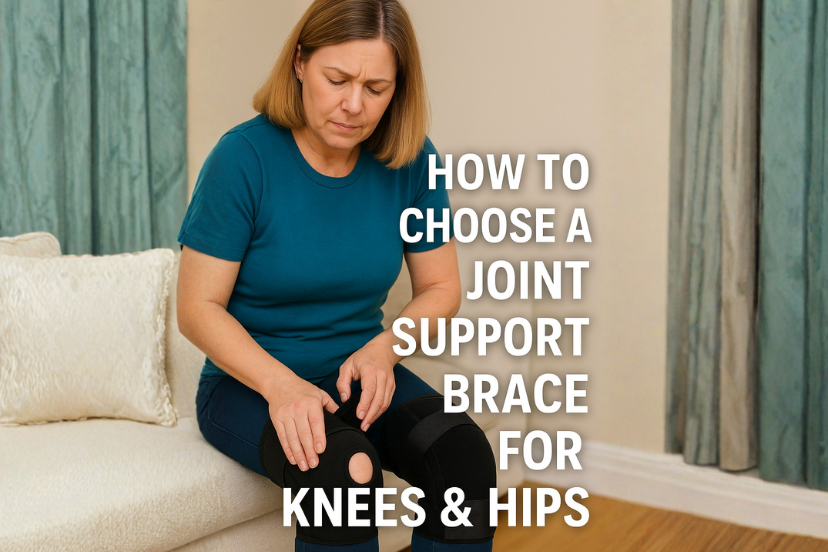
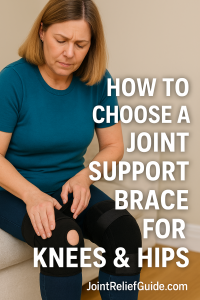
🦵 Do Joint Braces Really Help Knee And Hip Pain?
If knee or hip pain is limiting how you walk, stand, exercise, or even sleep, you’ve probably considered using a brace or support. With so many options online—compression sleeves, hinged knee braces, hip belts—it’s easy to feel overwhelmed.
Knowing how to choose a joint support brace for knees hips isn’t just about picking the most expensive product. The right brace should match your pain type, activity level, and daily needs, not just a generic size chart.
This guide breaks everything down in plain language, helping you understand when a brace helps, when it doesn’t, and how to choose one that actually supports comfort, mobility, and confidence—especially for adults over 40.
🧠 Understanding Why Knees And Hips Need Support
✅ Why Knee And Hip Joints Are Vulnerable
The knees and hips carry most of your body weight. Over time, cartilage thinning, muscle weakness, or joint inflammation can lead to:
- Pain during walking or climbing stairs
- Instability or “giving way” feelings
- Morning stiffness
- Post-activity soreness
A knee brace joint support, or hip support belt can help by improving alignment, increasing warmth, and reducing excess movement.
🦴 When A Joint Support Brace Can Help (And When It Won’t)
✅ When Braces Are Most Helpful
A brace may provide relief if you have:
- Mild to moderate osteoarthritis
- Joint instability or weakness
- Overuse strain
- Swelling after activity
- Recovery after exercise or long walks
Braces work best as support tools, not cures.
❌ When A Brace May Not Be Enough
A brace alone may not help if:
- Severe joint damage is present
- Pain occurs at rest or at night
- Swelling is sudden or severe
- Numbness or sharp pain occurs
Knowing how to choose a joint support brace for knees hips includes knowing when to seek medical evaluation instead.
🛒 Joint Brace Buying Guide: Key Features To Look For
✅ Proper Fit Comes First
A poorly fitted brace can worsen irritation.
Look for:
- Accurate sizing based on measurements
- Adjustable straps for a custom fit
- Even compression (not digging or slipping)
A snug fit should feel supportive, not restrictive.
✅ Support Level: Light, Moderate, Or Stabilizing
Not all braces do the same job.
- Light compression sleeves: Reduce swelling and warmth
- Moderate support braces: Help with mild instability
- Stabilizing or hinged braces: Provide structure during movement
Choosing the wrong level is one of the most common mistakes in buying the best joint brace hips knees.
🦵 Knee Brace Joint Support: Which Type Is Right For You?
✅ Compression Knee Sleeves
📌 Best for:
- Mild pain
- Swelling
- Daily walking
✅ Pros:
- Lightweight
- Easy to wear under clothing
- Affordable
❌ Cons:
- Limited structural support
✅ Hinged Knee Braces
📌 Best for:
- Instability
- Past ligament injury
- Moderate arthritis
✅ Pros:
- Side support
- Improved confidence
❌ Cons:
- Bulkier
- Not ideal for all-day wear
🦵 Hip Support Belt Joint Relief: What To Know
Hip braces work differently than knee braces and often wrap around the pelvis and upper thigh.
✅ When Hip Support Belts Help
- Hip joint pain
- Sacroiliac (SI) discomfort
- Recovery from exercise
- Standing or walking fatigue
A hip support belt joint relief design increases compression and pelvic stability without restricting motion.
💪 Comfort vs Stability: Finding The Right Balance
✅ Breathable Materials Matter
Look for:
- Moisture-wicking fabric
- Lightweight neoprene blends
- Flexible elastic materials
Poor breathability can cause irritation—especially with prolonged use.
✅ Adjustable Straps For Daily Use
Adjustability lets you:
- Loosen during rest
- Tighten during activity
- Adapt for swelling changes
🌿 Supporting Joint Braces With Lifestyle Care
A brace works best when combined with healthy habits.
✅ Gentle Exercises That Improve Brace Effectiveness
- Quad and glute strengthening
- Hip mobility drills
- Low-impact cardio (walking, cycling)
Braces support joints—but muscles protect them.
💊 Natural Supplements That Complement Joint Support
Many U.S. adults combine braces with supplements such as:
- Glucosamine sulfate
- Turmeric (curcumin)
- Omega-3 fish oil
- Collagen peptides
These may help reduce inflammation and support connective tissue alongside external support.
🍽️ Anti-Inflammatory Diet For Joint Comfort
What you eat affects how your joints respond.
✅ Joint-Friendly Foods
- Fatty fish
- Leafy greens
- Olive oil
- Berries
- Nuts and seeds
Reducing inflammation helps braces feel more effective overall.
🔥 Real-Life Tips For Wearing A Joint Brace Safely
- Wear during activities, not 24/7
- Check skin daily for irritation
- Wash regularly to prevent odor
- Avoid excessive tightness
- Replace braces that lose elasticity
Using a brace responsibly is part of knowing how to choose a joint support brace for knees hips.
🩺 When To See A Doctor Before Using A Brace
Seek professional guidance if:
- Pain worsens with brace use
- Swelling is unexplained
- You experience numbness or tingling
- Joint locking occurs
Physical therapists can recommend brace types that match your condition.
❓ FAQs: Joint Support Braces For Knees & Hips
Q1: Are knee braces safe for daily use?
Yes, when used properly and not overtightened.
Q2: Can a brace replace physical therapy?
No. Braces support movement, and physical therapy restores strength.
Q3: Do hip braces restrict walking?
Most modern designs allow natural movement.
Q4: How long should I wear a brace?
During activity or flare-ups—not continuously.
Q5: Are expensive braces always better?
Not necessarily. Fit and function matter more.
Q6: Can braces prevent arthritis progression?
They may reduce stress, but do not cure arthritis.
Q7: Should I wear a brace while sleeping?
Generally, no, unless directed by a professional.
🌟 Conclusion: Choose Support That Matches Your Life
Learning how to choose a joint support brace for knees hips empowers you to stay active, confident, and comfortable without over-relying on medication.
The right brace should feel like a helpful partner—supporting your movement, not replacing it. Combine smart bracing with strengthening, nutrition, and daily care for the best long-term results.
Small, informed choices today can make a big difference in how your joints feel tomorrow.
⚠️ Medical Disclaimer
This content is for informational purposes only and does not replace professional medical advice. Always consult a healthcare provider before using joint braces or supplements, especially if you have a diagnosed condition or persistent pain.
 Explore more:
- Shoulder Joint Pain When Reaching Overhead
- Children & Teenagers with Joint Pain
- Natural Remedies for Knee Joint Pain at Night