Hip Joint Pain in Older Adults: Causes, Relief Tips, and Proven Strategies
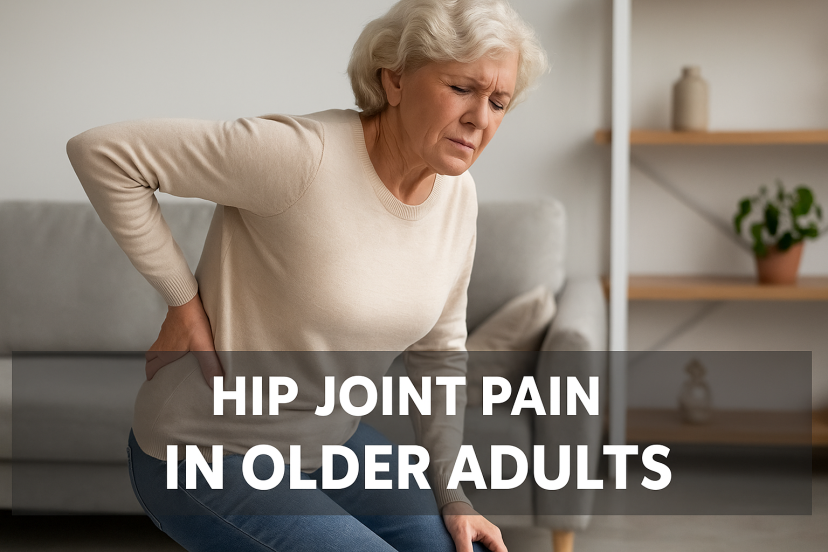
💡 Why Hip Joint Pain in Older Adults Deserves Attention
Hip joint pain in older adults affects millions across the U.S.—often limiting mobility, independence, and overall quality of life. The older we get, the more important it becomes to support healthy joint function so we can stay active, flexible, and confident in daily movement.
The positive news? Many causes of hip joint pain in older adults are treatable or manageable with natural relief strategies, lifestyle changes, and proper medical care.
🔍 What Causes Hip Joint Pain in Older Adults?
Understanding the underlying cause leads to better relief and long-term mobility.
🦴 Osteoarthritis in the Hip (Most Common Cause)
This is the #1 cause of hip joint pain in people over 60. As cartilage breaks down, bone rubs on bone, creating pain and stiffness.
Common symptoms include:
-
Joint stiffness in the morning
-
Grinding or clicking sounds
-
Pain during weight-bearing
-
Reduced range of motion
🔥 Rheumatoid Arthritis and Autoimmune Conditions
Less common but still seen in older adults, rheumatoid arthritis causes chronic inflammation that damages the joint lining.
Symptoms include:
-
Warm, swollen joints
-
Pain on both sides
-
Fatigue and weakness
💥 Hip Bursitis
Inflamed bursae can trigger burning pain on the outer hip.
Common triggers:
-
Repetitive movements
-
Prolonged standing
-
Muscle weakness
-
Poor posture
🏃 Tendonitis and Overuse Injuries
Aging tendons become irritated more easily, especially with stairs, hills, or long walks.
🦵 Hip Fractures or Bone Weakness
Older adults, especially women, are more vulnerable due to decreased bone density.
Warning signs:
-
Sudden sharp pain
-
Inability to bear weight
-
Bruising and swelling
⚡ Lower Back Problems (Sciatica)
Hip pain may actually start in the lower back and radiate downward.
🛑 Common Symptoms of Hip Joint Pain in Older Adults
Hip joint pain can show up as:
-
Pain while standing or walking
-
Stiffness after sitting
-
Difficulty reaching feet
-
Groin or buttock discomfort
-
Nighttime pain
-
Limping or reduced mobility
🧪 How Doctors Diagnose Hip Joint Pain in Older Adults
📸 Imaging Tests
-
X-rays
-
MRIs
-
Ultrasounds
🧬 Laboratory Tests
-
Blood tests for inflammation markers
-
Tests for autoimmune conditions
🩺 Physical Exam
Doctors assess:
-
Range of motion
-
Walking pattern
-
Muscle strength
🏡 Home Remedies for Hip Joint Pain in Older Adults
❄️ Heat and Ice Therapy
-
Ice reduces swelling after activity
-
Heat eases morning stiffness
🚶 Gentle Daily Movement
Small movements prevent stiffness:
-
Short walks
-
Chair stretches
-
Indoor pacing
🌿 Anti-Inflammatory Foods
Foods that support natural relief:
-
Leafy greens
-
Berries
-
Olive oil
-
Salmon
-
Turmeric + ginger
⚖️ Healthy Weight Management
Losing even 5–10 lbs can reduce hip pressure.
👟 Supportive Shoes
Better alignment reduces strain.
🏥 Medical Treatments for Hip Joint Pain in Older Adults
💪 Physical Therapy
A physical therapist can help with:
-
Strengthening
-
Flexibility
-
Balance
-
Posture correction
💊 Medications
Common U.S. options:
-
Ibuprofen
-
Naproxen
-
Topical diclofenac
-
Cortisone injections
🦽 Mobility Aids
Temporary use of a cane or walker prevents pain flare-ups.
🔧 Hip Replacement Surgery
Used when pain becomes severe and constant.
🌿 Daily Lifestyle Habits to Reduce Hip Joint Pain
-
Stay active regularly
-
Use proper posture
-
Avoid long sitting periods
-
Use cushioned seating
-
Strengthen core + hip muscles
-
Choose soft walking surfaces
🧘 Best Stretches for Hip Joint Pain in Older Adults
🪑 Seated Hip Stretch
-
Sit tall
-
Cross ankle over knee
-
Lean forward gently
🦵 Standing Hip Flexor Stretch
-
Step one leg back
-
Bend the front knee
-
Hold 20–30 seconds
🛏️ Lying Glute Stretch
-
Bring your knee toward your chest
-
Hold gently
📈 Side-Lying Leg Raises
Strengthens hip stabilizers and reduces future pain.
💬 Real-Life Coping Strategies for Older Adults
-
Plan tasks during low-pain times
-
Break chores into smaller steps
-
Use grab bars for stability
-
Use rolling carts for groceries
-
Try electric recliners for easier standing
-
Ask for help when lifting heavy items
🛡️ Prevention Tips for Hip Joint Pain in Older Adults
-
Strengthen hip and glute muscles
-
Improve flexibility
-
Wear supportive shoes
-
Check vitamin D + calcium
-
Avoid high-impact workouts
-
Move every 30–45 minutes
❓ FAQs About Hip Joint Pain in Older Adults
1. What is the most common cause of hip joint pain in older adults?
Osteoarthritis, which breaks down joint cartilage over time.
2. When is hip pain considered serious?
When it’s sudden, sharp, persistent, or affects walking ability.
3. Can walking help hip joint pain?
Yes, gentle, low-impact walking improves mobility and reduces stiffness.
4. What sleeping position reduces hip pain?
Side sleepers should place a pillow between their knees.
5. Do supplements help?
Turmeric, omega-3s, and glucosamine may help some adults.
6. How fast can hip arthritis improve?
With consistent exercises, many see improvement within 4–8 weeks.
7. When should someone consider a hip replacement?
When pain severely limits mobility and treatments no longer help.
⭐ Conclusion: You Can Take Control of Hip Pain
Hip joint pain in older adults is common—but it is absolutely manageable. A combination of gentle movement, stretching, anti-inflammatory habits, supportive footwear, and proper treatment can significantly improve mobility and comfort.
Small, consistent daily changes lead to big long-term results. You deserve to move freely and confidently each day.
⚠️ Disclaimer
This article is for informational purposes only and is not a substitute for medical advice. Always consult a licensed healthcare provider before starting any treatment or exercise program.
 Explore more:
- Understanding the Difference Between Arthritis and Joint Pain
- Early Signs of Arthritis and How to Manage Them Naturally
- Can Weather Changes Trigger Joint Pain?