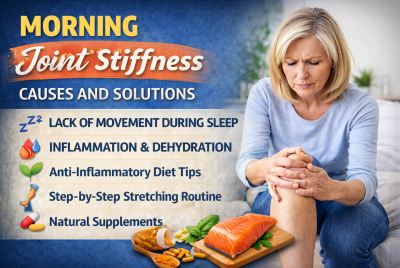
🛌 Joint Pain & Sleep Quality: What You Need To Know To Rest Better And Hurt Less

🔥 When Joint Pain Steals Your Sleep
If you’ve ever tossed and turned all night because your knees ached, your hips throbbed, or your shoulders wouldn’t relax, you already understand the connection between joint pain and poor sleep.
For many adults over 40, sleep doesn’t fail because of stress alone—it fails because the body simply can’t get comfortable. And here’s the frustrating part:
👉 Poor sleep makes joint pain worse, and joint pain makes sleep worse.
This creates a cycle that drains energy, slows healing, and impacts mood, mobility, and quality of life.
In this guide on joint pain and sleep quality what you need to know, you’ll learn why nighttime pain happens, how sleep positions affect joints, and what you can do—starting tonight—to rest deeper and wake up feeling less stiff.
🦵 Joint Pain And Sleep Quality: What You Need To Know About The Connection
Joint pain and sleep are tightly linked through inflammation, hormones, and nervous system activity.
🌙 How Joint Pain Disrupts Sleep
-
Pain signals activate the nervous system
-
Micro-awakenings occur even if you don’t remember them
-
Deep restorative sleep is shortened
-
Muscles never fully relax
This explains why nighttime joint ache disrupts sleep even when pain seems “mild.”
🌿 How Poor Sleep Makes Joint Pain Worse
When sleep is disrupted:
-
Inflammatory markers increase
-
Pain tolerance decreases
-
Tissue repair slows
-
Morning stiffness worsens
This is why people with arthritis often report worse pain after poor sleep.
🧠 Why Joint Pain Feels Worse At Night
Many people ask why joints hurt more once they lie down.
🦴 Common Reasons Include:
-
Less movement = stiffer joints
-
Reduced blood circulation during rest
-
Cortisol (an anti-inflammatory hormone) drops at night
-
Pressure on sensitive joints increases
For people with arthritis, the hips, knees, shoulders, and hands are most affected.
😴 Sleep Problems and Joint Pain: Common Causes
If joint pain affects your nights, you may experience:
-
Difficulty falling asleep
-
Waking up multiple times
-
Early-morning stiffness and pain
-
Unrefreshing sleep
-
Fatigue despite “enough” hours in bed
These sleep problems gradually impact daytime mobility and mood.
🛏️ Sleep Position Joint Pain Hips Knees: Why Position Matters
How you sleep has a major impact on joint comfort.
🦵 Side Sleeping And Joint Pain
Side sleeping is common, but without support, it can strain joints.
Common issues:
-
Hip compression
-
Knee-on-knee pressure
-
Lower back twisting
✅ Fix: Place a firm pillow between knees to keep hips aligned.
🛌 Back Sleeping And Joint Relief
Back sleeping can reduce pressure if done correctly.
Best practices:
-
Pillow under knees to reduce lower back stress
-
Medium-firm mattress for spinal alignment
This position often helps with knee and hip pain.
⚠️ Stomach Sleeping (Usually The Worst Option)
Stomach sleeping:
-
Twists the spine
-
Strains hips and knees
-
Increases neck stress
If joint pain affects sleep, this position is best avoided.
🌿 Evening Routines To Improve Sleep Joint Pain Relief
What you do before bed strongly affects nighttime pain.
🌙 Gentle Evening Movement
Light movement prevents stiffness buildup.
Helpful options include:
-
Gentle stretching
-
Short walk
-
Yoga or mobility drills
Avoid intense workouts late at night.
🔥 Heat Therapy Before Bed
Heat increases circulation and relaxes muscles.
-
Warm shower
-
Heating pad on sore joints
-
Warm compress
Heat is especially helpful for arthritis-related stiffness.
🧘 Relaxation For Pain-Calm Sleep
Stress increases muscle tension and pain sensitivity.
Try:
-
Deep breathing
-
Progressive muscle relaxation
-
Calm music or guided meditation
Relaxation helps quiet pain signals.
💊 Natural Supplements That Support Sleep And Joint Health
Supplements won’t replace habits—but they can help support recovery.
⭐ Glucosamine
-
Supports cartilage structure
-
May reduce stiffness over time
🧩 Turmeric (Curcumin)
-
Powerful anti-inflammatory
-
May reduce nighttime joint ache
🌿 Omega-3 Fatty Acids
-
Improve joint lubrication
-
Help calm inflammation
Choose U.S.-tested, third-party verified products and consult a healthcare provider.
🥗 Anti-Inflammatory Diet For Better Sleep And Less Pain
What you eat during the day affects how you sleep at night.
🥦 Foods That Support Joint Comfort:
-
Fatty fish
-
Leafy greens
-
Berries
-
Olive oil
-
Nuts and seeds
🚫 Foods That Worsen Nighttime Pain:
-
Excess sugar
-
Alcohol
-
Ultra-processed foods
-
Late-night heavy meals
Reducing inflammation helps improve sleep quality naturally.
💪 Daytime Habits That Improve Nighttime Sleep
Better sleep starts during the day.
🦵 Stay Gently Active
-
Walking
-
Swimming
-
Resistance bands
Movement improves joint lubrication and sleep quality.
🌞 Get Daylight Exposure
Sunlight helps regulate circadian rhythm, improving sleep onset.
💧 Stay Hydrated
Dehydration thickens joint fluid and worsens stiffness.
🧠 Real-Life Coping Strategies From People With Joint Pain
Many people find relief by:
-
Adjusting pillows and mattress firmness
-
Creating consistent bedtime routines
-
Tracking which positions trigger pain
-
Combining movement, nutrition, and relaxation
Small adjustments often bring big improvements.
⚕️ When To See A Doctor About Joint Pain And Sleep
Seek medical advice if:
-
Joint pain consistently disrupts sleep
-
Pain worsens despite lifestyle changes
-
Swelling, redness, or warmth appears
-
Sleep deprivation affects daily functioning
A healthcare provider may evaluate for arthritis, sleep disorders, or inflammation.
❓ FAQs: Joint Pain And Sleep Quality What You Need To Know
1️⃣ Can joint pain really cause sleep problems?
Yes. Pain disrupts deep sleep and causes frequent awakenings.
2️⃣ Why is joint pain worse at night?
Inflammation increases, and movement decreases during sleep.
3️⃣ What is the best sleep position for joint pain?
Back sleeping with knee support or side sleeping with a pillow between knees.
4️⃣ Can improving sleep reduce joint pain?
Yes. Better sleep lowers inflammation and improves pain tolerance.
5️⃣ Do supplements help with sleep and joint pain?
They may support inflammation control when combined with lifestyle changes.
6️⃣ Should I exercise if joint pain affects sleep?
Yes—gentle, consistent exercise improves both sleep and joint health.
7️⃣ When should I worry about nighttime joint pain?
If pain is severe, persistent, or worsening, seek medical advice.
✅ Conclusion: Better Sleep And Healthier Joints Are Possible
If joint pain has been stealing your rest, remember this:
👉 You’re not broken—you’re in a cycle that can be changed.
By understanding joint pain and sleep quality what you need to know, you can take control with better sleep positions, calming evening routines, joint-supportive nutrition, and gentle movement.
Start with one change tonight.
Support your joints.
Protect your sleep.
Small steps add up to deeper rest and easier mornings.
⚠️ Medical Disclaimer
This content is for educational purposes only and does not replace professional medical advice. Always consult a qualified healthcare provider before starting new treatments, supplements, or exercise routines.
 Explore more:
- Joint Pain Relief Hips Knees For Desk Workers
- Cold Therapy vs Heat Therapy For Joint Pain Relief
- Elbow Joint Pain from Lifting Boxes or Moving Furniture