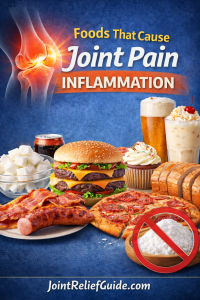
Worst Foods That Make Joint Pain Worse: 7 Inflammatory Triggers To Stop Eating Today
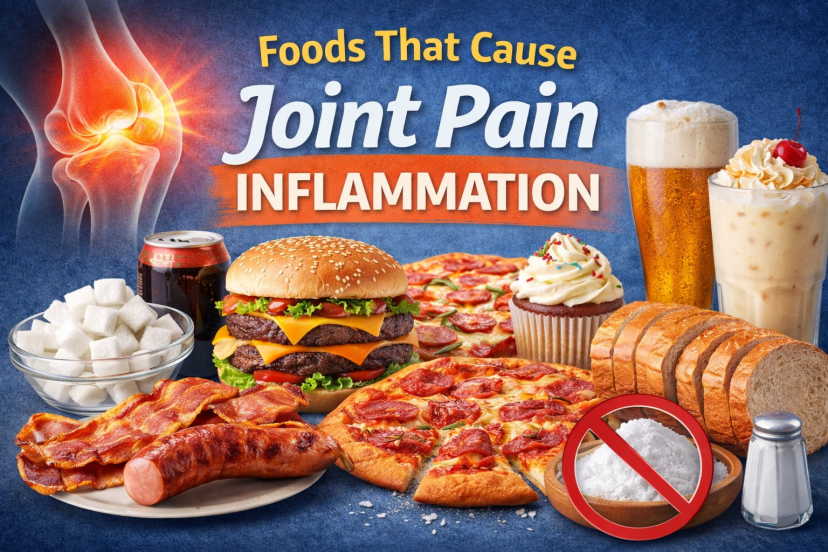
🔍 Could Your Daily Diet Be Fueling Your Joint Pain?
If you live with aching knees, stiff fingers, or sore hips, you may be doing everything right—stretching, exercising, even taking supplements—yet still feel uncomfortable every day.
Here’s an uncomfortable truth many people over 40 never hear:
👉 Some everyday foods quietly increase joint inflammation and pain.
You might not feel the effects immediately. But over time, these foods can worsen stiffness, swelling, and arthritis flare-ups—especially if you already struggle with mobility issues.
In this science-backed guide, we’ll break down the foods that cause joint pain inflammation, explain why they’re problematic, and show you what to eat instead so you can move more comfortably and confidently.
🦴 How Food Triggers Joint Pain And Inflammation
Before we dive into the list, it helps to understand the connection.
Certain foods:
-
Increase systemic inflammation
-
Spike blood sugar and insulin
-
Trigger immune responses
-
Damage cartilage over time
For people with arthritis or aging joints, these effects hit harder—leading to more stiffness, swelling, and pain, especially in the morning or after inactivity.
🚫 The 7 Worst Foods That Cause Joint Pain Inflammation
🍬 1. Added Sugar (The #1 Inflammatory Trigger)
Sugar is one of the most well-documented contributors to joint inflammation.
Why sugar is harmful:
-
Increases inflammatory cytokines
-
Promotes insulin resistance
-
Damages collagen in joints
This makes sugar joint inflammation a major issue for people with arthritis.
Common sources to watch:
-
Soda and sweetened tea
-
Pastries and baked goods
-
Candy and desserts
-
Flavored yogurt
✅ Better option: Fresh fruit, stevia, or monk fruit in moderation.
🍟 2. Ultra-Processed Foods And Packaged Snacks
Highly processed foods are loaded with additives that trigger inflammation.
Why processed food arthritis is common:
-
Refined carbs spike blood sugar
-
Industrial seed oils promote inflammation
-
Preservatives disrupt gut health
Examples include:
-
Chips and crackers
-
Frozen meals
-
Packaged baked goods
-
Fast food
🦵 Many people notice increased stiffness the morning after eating these foods.
🥩 3. Red Meat (Especially Processed Red Meat)
Red meat isn’t always harmful—but too much, especially processed versions, can worsen inflammation.
Why red meat inflammation matters:
-
High in saturated fat
-
Contains advanced glycation end products (AGEs)
-
Can increase inflammatory markers
Worst offenders:
-
Bacon
-
Sausage
-
Hot dogs
-
Deli meats
✅ Better option: Lean poultry, fish, or plant-based proteins.
🍞 4. Refined Carbohydrates (White Bread, Pasta, Pastries)
Refined carbs lack fiber and spike blood sugar quickly.
How they affect joints:
-
Increase inflammatory response
-
Promote weight gain (extra joint stress)
-
Worsen arthritis symptoms
Common refined carbs:
-
White bread
-
Regular pasta
-
Bagels
-
Sugary cereals
🌿 Better option: Whole grains like oats, quinoa, and brown rice.
🧀 5. Full-Fat Dairy (For Some People)
Dairy affects people differently. For some, it’s neutral—but for others, it worsens inflammation.
Potential issues include:
-
Casein sensitivity
-
Increased mucus and inflammation
-
Digestive stress that fuels joint pain
Problem foods:
-
Whole milk
-
Cheese
-
Ice cream
💡 Try eliminating dairy for 2–3 weeks to see if symptoms improve.
🧂 6. Excess Salt And High-Sodium Foods
Salt itself isn’t evil—but excess sodium causes fluid retention and joint swelling.
High-sodium foods include:
-
Canned soups
-
Frozen dinners
-
Processed meats
-
Restaurant meals
Swollen joints feel stiffer and more painful, especially in the hands and knees.
🍺 7. Alcohol (Especially Beer And Sugary Cocktails)
Alcohol increases inflammation and dehydrates joints.
Why alcohol worsens joint pain:
-
Promotes inflammatory pathways
-
Depletes nutrients needed for joint repair
-
Triggers arthritis flare-ups
Beer is especially problematic due to purines, which can worsen gout-related joint pain.
✅ Better option: Limit alcohol or choose occasional red wine in moderation.
🌿 Symptoms That Food-Triggered Joint Inflammation Is Affecting You
If diet is a factor, you may notice:
-
Morning stiffness that lasts longer
-
Swollen fingers or knees
-
Pain after heavy meals
-
Increased joint discomfort after holidays or weekends
Tracking symptoms alongside food choices can be eye-opening.
💪 What To Eat Instead: Anti-Inflammatory Foods For Joint Relief
Replacing inflammatory foods matters just as much as avoiding them.
🐟 Omega-3 Rich Foods
-
Salmon
-
Sardines
-
Mackerel
These help lubricate joints and reduce swelling.
🥬 Colorful Fruits And Vegetables
-
Berries
-
Leafy greens
-
Broccoli
-
Bell peppers
Rich in antioxidants that protect cartilage.
🌿 Healthy Fats
-
Olive oil
-
Avocados
-
Nuts and seeds
These support long-term joint health.
💊 Supplements That Support Joint Recovery
When paired with diet changes, supplements may help.
🧩 Glucosamine
-
Supports cartilage health
-
Commonly used in the U.S. for joint support
🌿 Turmeric (Curcumin)
-
Powerful natural anti-inflammatory
-
Best absorbed with black pepper
⭐ Omega-3 Fish Oil
-
Reduces stiffness
-
Improves joint lubrication
Always choose U.S.-tested, third-party verified products.
🦵 Lifestyle Tips To Reduce Food-Related Joint Pain
💧 Stay Hydrated
Water keeps joints cushioned and mobile.
💪 Gentle Movement
Walking, swimming, or stretching helps reduce stiffness.
🌿 Consistent Eating Patterns
Avoid binge eating inflammatory foods—even “once in a while” adds up.
⚕️ When To See A Doctor About Joint Pain
Seek medical advice if:
-
Pain persists despite diet changes
-
Swelling or redness worsens
-
Joint pain interferes with daily tasks
-
You suspect autoimmune arthritis
A healthcare provider can help identify underlying causes.
❓ FAQs: Foods That Cause Joint Pain Inflammation
1️⃣ Can food really cause joint pain?
Yes. Certain foods increase inflammation, which worsens joint symptoms.
2️⃣ Is sugar bad for arthritis?
Yes. Sugar joint inflammation is well-documented in research.
3️⃣ Should I avoid all red meat?
Not necessarily—limit portions and avoid processed red meats.
4️⃣ Does dairy always worsen joint pain?
No, but some people are sensitive and benefit from reducing it.
5️⃣ How fast can diet changes help joint pain?
Some people feel improvement within 1–2 weeks.
6️⃣ Are anti-inflammatory diets proven to help arthritis?
Yes. Many studies support the reduction of pain and stiffness.
7️⃣ Can supplements replace diet changes?
No. Supplements work best when paired with a clean, anti-inflammatory diet.
🥗 Conclusion: Small Food Changes Can Mean Big Joint Relief
If you’re struggling with stiffness or arthritis, your plate matters more than you think.
By reducing foods that cause joint pain inflammation and replacing them with nourishing, anti-inflammatory choices, you give your joints the environment they need to heal and move freely.
Start with one change this week.
Your joints will thank you tomorrow.
⚠️ Medical Disclaimer
This article is for educational purposes only and does not replace professional medical advice. Always consult a qualified healthcare provider before making significant dietary, supplement, or lifestyle changes.
 Explore more:
- Joint Pain and Age: What’s Normal and What’s Not
- Managing Joint Pain In The Morning
- How Sleep Position Affects Hip & Knee Joint Pain