Low-Impact Cardio Options For Joint Pain Sufferers: Stay Active Without The Ache
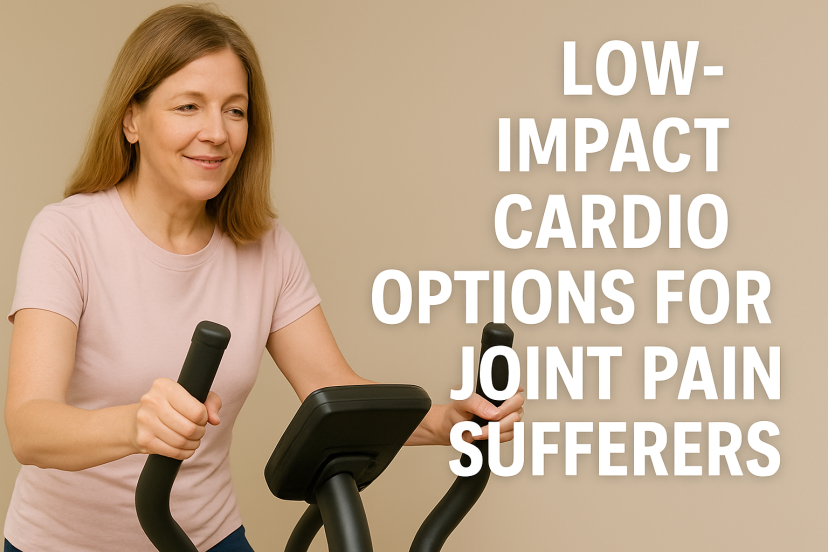
🦵 You Can Improve Fitness Without Hurting Your Joints
If you’ve ever quit a workout because it made your knees ache, or your hips feel stiff for days, you’re not alone. Many adults over 40 avoid exercise altogether because they associate cardio with joint pain, swelling, or flare-ups.
The truth is, the right kind of movement can actually reduce pain, increase flexibility, and protect joints long term. Low-impact cardio doesn’t pound your joints—it nourishes them by improving circulation, strengthening support muscles, and maintaining mobility.
In this guide, you’ll discover joint-friendly cardio workouts that help you stay active safely, plus sample routines, recovery strategies, and nutrition tips (including foods that help joint relief) to support your progress.
🧠 Why High-Impact Exercise Often Makes Joint Pain Worse
✅ The Joint Stress Problem
High-impact workouts—like running on pavement, jumping, or intense boot camps—create repeated force through the hips, knees, and ankles. For people with joint sensitivity, cartilage wear, or inflammation, this can trigger pain instead of progress.
Common reasons joints flare during exercise include:
- Reduced cartilage cushioning
- Weak stabilizing muscles
- Past injuries
- Poor movement mechanics
- Excess body weight
This is why low impact exercise joint relief strategies are often more effective—and sustainable.
🦴 Who Benefits Most From Joint-Friendly Cardio?
Low-impact cardio is ideal for people who:
- Have knee, hip, or ankle pain
- Experience arthritis or stiffness
- Are returning after injury
- Carry extra weight
- Have avoided exercise for years
If moving less has made you stiffer and weaker, moving smarter is the solution.
💪 What Makes A Cardio Workout Joint-Friendly?
✅ Key Characteristics Of Joint Safe Cardio
Joint-friendly cardio workouts share these qualities:
- Smooth, controlled movement
- Minimal pounding or jumping
- Adjustable intensity
- Stable surfaces or water support
These qualities protect cartilage while still improving heart health and endurance.
🏊 Joint Safe Cardio Hips Knees: Top Low-Impact Options
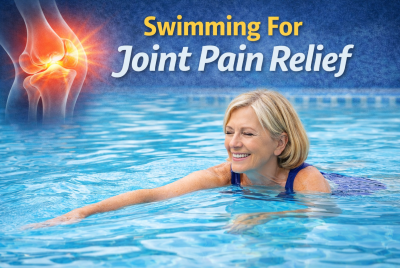
🏊 Swimming And Water Aerobics
Swimming, cycling, and joint pain discussions often start with water workouts for good reason.
Benefits:
- Zero impact on joints
- Full-body resistance
- Improved range of motion
- Excellent for arthritis
Even walking in chest-deep water reduces joint load by up to 70%.
🚴 Cycling (Indoor Or Outdoor)
Cycling provides strong cardiovascular benefits with minimal joint stress.
Why it works:
- No impact on knees
- Strengthens quads and glutes
- Improves joint lubrication
Tip: Keep seat height correct to avoid knee strain.
🚶 Walking (Done The Right Way)
Walking is accessible and effective when done properly.
Joint-friendly walking tips:
- Choose flat or soft surfaces
- Wear supportive shoes
- Start with 10–15 minutes
- Focus on posture
Brisk walking improves circulation, which carries nutrients to joint tissue.
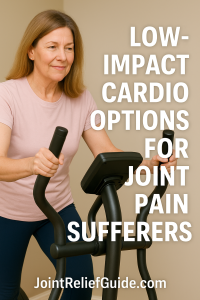
🏋️ Elliptical Machines
Ellipticals mimic walking or running—without impact.
Benefits:
- Continuous motion
- Reduced knee stress
- Adjustable resistance
This makes it a favorite in joint-friendly cardio workouts.
🧘 Low-Impact Group Classes
Options include:
- Chair cardio
- Low-impact aerobics
- Tai chi
- Gentle dance
Many local U.S. community centers and YMCAs offer senior- and joint-friendly options.
📅 Sample Low-Impact Cardio Routine (Beginner)
✅ 3-Day Starter Plan
✨ Day 1
- 15–20 minutes brisk walking
- 5 minutes of gentle stretching
⭐ Day 2
- 20 minutes of cycling or elliptical
- Light core exercises
✨ Day 3
- Swimming or water aerobics (20–30 minutes)
Gradually increase time—not intensity—first.
🛡️ Safety Checklist For Exercising With Joint Pain
Before starting, protect your joints by following these basics:
✅ Warm up for 5–10 minutes
✅ Use proper footwear
✅ Avoid sharp or stabbing pain
✅ Keep movements controlled
✅ Rest for at least one day between sessions
Pain during exercise is a warning signal—listen to it.
🌿 How Exercise And Nutrition Work Together For Joint Relief
Movement feeds your joints—but nutrition builds them.
A joint-supportive lifestyle often combines low-impact cardio with foods that help joint relief, including:
- Fatty fish (omega-3s)
- Leafy greens
- Olive oil
- Nuts and seeds
This pairing reduces inflammation and improves recovery between workouts.
💊 Joint Support Supplements Many Active Adults Use
Some U.S. adults complement exercise with:
- Glucosamine sulfate
- Chondroitin
- Turmeric (curcumin)
- Omega-3 fish oil
- Collagen peptides
These can support cartilage and connective tissue when combined with movement—not as replacements.
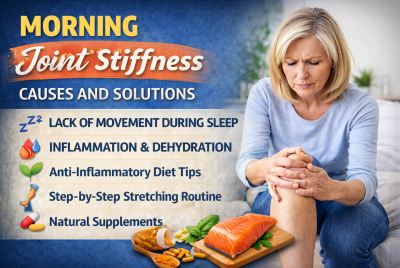
🍽️ Anti-Inflammatory Eating For Active Joints
✅ Exercise-Friendly Foods
- Salmon or tuna twice weekly
- Berries post-workout
- Sweet potatoes for energy
- Yogurt or kefir for gut health
Avoid heavy, sugary meals before workouts, which can increase inflammation.
💡 When And How To Progress Safely
Signs you’re ready to progress:
- Less post-exercise soreness
- Improved stamina
- Reduced joint stiffness
Safe progression includes:
- Adding 5 minutes per session
- Increasing frequency before intensity
- Trying a new low-impact activity
Slow progress is strong progress.
🩺 When To See A Doctor Before Exercising
Seek medical advice if:
- Joint pain worsens with movement
- Swelling or redness persists
- Pain disrupts daily activities
- You’ve had joint surgery or injury
A physical therapist can design a personalized joint safe cardio hips knees plan.
❓ FAQs: Low-Impact Cardio For Joint Pain
Q1: Is cardio safe if I have knee arthritis?
Yes. Low-impact options like cycling and swimming are often recommended.
Q2: How often should I do cardio with joint pain?
3–5 days per week, depending on recovery.
Q3: Is walking enough for joint health?
Yes—when done consistently and with good form.
Q4: Can exercise actually reduce joint pain?
Yes. Movement improves lubrication, strength, and flexibility.
Q5: Should I avoid exercise during flare-ups?
Reduce intensity, but gentle movement is often better than total rest.
Q6: Is cycling better than running for joints?
Yes. Cycling has a significantly lower impact.
Q7: Do diet and exercise really work together?
Absolutely. Exercise, along with foods that help with joint relief, creates better long-term outcomes.
🌟 Conclusion: Movement Is Safe—When You Choose Wisely
Joint pain doesn’t mean you have to give up cardio. With the right low-impact exercises, proper pacing, and supportive nutrition, you can improve heart health, mobility, and confidence—without sacrificing your joints.
Start where you are. Choose one joint-friendly activity. Pair movement with smart recovery and nourishment. Over time, your joints won’t just tolerate exercise—they’ll benefit from it.
⚠️ Medical Disclaimer
This content is for informational purposes only and does not replace professional medical advice. Always consult a healthcare provider before beginning a new exercise program or supplement routine.
 Explore more:
- Joint Pain & Sleep Quality
- Workplace Joint Pain Prevention
- Elbow Joint Pain from Lifting Boxes or Moving Furniture