Hip Joint Pain After Running for Beginners: What New Runners Need To Know
🌿 When Your First Runs Lead To Unexpected Hip Pain
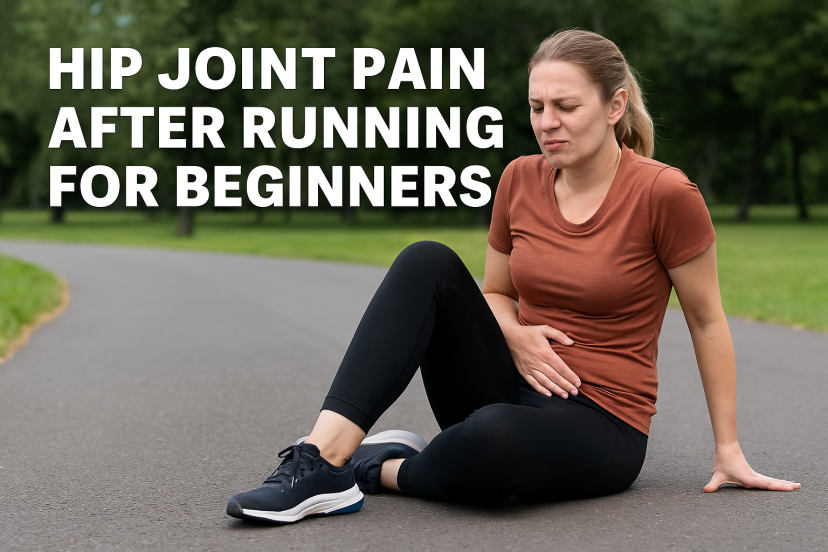
Starting a running routine is exciting—until your hips begin to ache after just a few jogs. Many new runners feel hip joint pain after running beginners, especially during the first few weeks. That mix of stiffness, soreness, and pressure in the hip joint can feel discouraging. You may wonder: “Is this normal? Am I injuring myself? Should I stop running?”
You’re not alone. Adults over 40 often experience more running-related hip joint stress because joints naturally lose cushioning and flexibility with age. Combine that with new movement patterns, poor footwear, weak stabilizer muscles, or running on hard surfaces, and the hips can quickly start protesting.
The good news? With the right approach—smart progression, targeted strengthening, proper warm-ups, and natural anti-inflammatory support—you can reduce pain, protect your hips, and build mileage safely.
This guide gives beginners everything they need to understand the difference between healthy hip joint soreness after a jog and warning signs of injury while offering long-term prevention strategies.
❓ Why Beginners Often Experience Hip Joint Pain After Running
When you run for the first time, your joints and muscles face new mechanical forces. The hip joint, specifically, absorbs a large amount of impact with every step.
💪 Primary Reasons New Runners Develop Hip Joint Pain
-
Weak hip stabilizer muscles
-
Sudden increase in mileage
-
Poor running form
-
Inappropriate running shoes or worn-out footwear
-
Running on concrete or uneven surfaces
-
Age-related joint stiffness
For many people, this discomfort feels like beginner runner hip joint ache—a dull, tight feeling that shows up after your run or the next morning.
🦵 The Difference Between Muscle Soreness and Joint Pain
Muscle soreness
-
Feels tender but improves within 24–48 hours
-
Reduces with light movement
-
A normal response to new exercise
Joint pain
-
Feels deep inside the hip joint
-
May worsen with weight-bearing
-
Lasts longer than 48–72 hours
-
Can cause clicking, catching, or instability
Understanding this difference can help you know whether to slow down, stretch, rest, or modify your training.
🌿 How Running Mechanics Affect Hip Joint Stress
Your hip joints carry 3–5 times your body weight with each step during running. For beginners, alignment issues or weak muscles can quickly cause running hip pain first time.
💪 Common Mechanical Issues That Trigger Hip Pain
-
Overstriding
-
Running with a stiff torso
-
Weak glutes or core
-
Excessive inward knee collapse
-
Tight hip flexors from long sitting hours
These issues increase friction and compression inside the hip joint, especially if you’re running on hard pavement.
🦵 Symptoms New Runners Should Not Ignore
While mild soreness is normal, certain symptoms signal deeper issues.
🚫 Warning Signs Of Running-Related Hip Joint Stress
-
Sharp pain during the run
-
Pain that worsens when lifting the leg
-
Clicking or catching inside the hip
-
Pain radiating into the buttocks or groin
-
Swelling or warmth around the joint
If you feel intense hip joint pain after running beginners, especially if it interferes with daily movement, it’s time to modify your routine.
💪 Safe Training Progression For New Runners
When you’re just starting, the goal is to gradually introduce your body to running—not overwhelm it.
✅ Beginner-Friendly Running Guidelines
-
Follow the Run-Walk Method (e.g., 1-minute jog + 2-minute walk)
-
Increase total running time by no more than 10% per week
-
Start with 2–3 running days per week
-
Avoid back-to-back high-impact days
-
Warm up with 5 minutes of walking and mobility drills
These guidelines reduce the risk of hip joint soreness after jog while building endurance safely.
💪 Strengthening Exercises To Support Hip Joints
Most beginner hip pain stems from weak glutes, abductors, and deep hip stabilizers. Stronger muscles mean less strain on the joint.
🌿 Key Exercises Beginners Should Perform 3–4 Times Weekly
-
Glute bridges
-
Clamshells
-
Side-lying leg raises
-
Mini-band lateral walks
-
Hip flexor stretching
-
Core stabilization work (deadbugs, planks)
These moves help prevent running-related hip joint stress and improve running form.
🧘♀️ Stretching & Mobility To Reduce Hip Joint Pain
Many new runners skip stretching, but flexibility plays a major role in preventing joint irritation.
🌿 Essential Hip Mobility Movements
-
Hip flexor stretch
-
Piriformis stretch
-
Seated figure-4 stretch
-
Cat-cow lower back mobility
-
Gentle deep squats to open hips
Perform these 5–10 minutes after each run to reduce tightness.
👟 Running Shoes Checklist For Hip Joint Protection
Shoes are one of the biggest contributors to hip joint pain after running beginners. The right pair can improve alignment, decrease shock, and support your stride.
💪 Beginner Running Shoe Must-Haves
-
Good cushioning for shock absorption
-
Neutral or stability support based on your gait
-
Proper arch support
-
Wide toe box to reduce joint strain
-
Fresh, unworn soles (retire running shoes every 300–500 miles)
Most U.S. running stores offer free gait analysis—an excellent option for beginners who aren’t sure what they need.
🌿 Natural Home Therapies For Hip Joint Pain Relief
If your hips are sore after your first few runs, simple home remedies can help.
💊 Evidence-Based Natural Relief Options
-
Ice for the first 24 hours after sharp pain
-
Heat therapy for chronic stiffness
-
Epsom salt warm bath to relax muscles
-
Gentle massage or foam rolling
-
Active recovery walking
These options reduce inflammation and improve mobility.
💊 Supplements That Support Healthy Hip Joints
Many U.S. adults over 40 benefit from daily joint-support supplements, especially when increasing physical activity.
🌿 Science-Backed Joint Support Nutrients
-
Glucosamine sulfate – supports cartilage cushioning
-
Turmeric (curcumin) – reduces inflammation
-
Omega-3 fatty acids – decrease joint swelling
-
MSM – assists connective tissue repair
-
Collagen peptides – strengthen joint structure
Consistent supplement use may improve beginner runner hip joint ache within 4–8 weeks.
🌿 Anti-Inflammatory Diet To Protect Hip Joints
Food plays a major role in joint recovery and inflammation control.
💪 Foods That Support Joint Health
-
Salmon, sardines, tuna
-
Leafy greens
-
Berries
-
Olive oil
-
Nuts and seeds
-
Avocados
🚫 Foods That May Increase Inflammation
-
Processed meats
-
Excess sugar
-
Fried foods
-
Excess alcohol
Eating more anti-inflammatory foods helps reduce running hip pain first time and promotes faster recovery.
🙏 Real-Life Coping Strategies For Beginners
Running should feel empowering—not painful. These strategies help beginners stay consistent without overwhelming their joints.
🌿 Practical Tips To Reduce Hip Pain
-
Alternate between running and low-impact days
-
Run on softer surfaces (tracks, grass, treadmills)
-
Shorten stride length to reduce impact
-
Check posture: tall chest, relaxed shoulders
-
Strength-train at least twice a week
These changes significantly reduce the likelihood of running-related hip joint stress.
🚑 When To See A Doctor For Hip Joint Pain
You should seek professional care if:
-
Pain lasts longer than 1–2 weeks
-
Pain interferes with walking or stairs
-
Hip joint locks, clicks, or catches
-
Pain worsens during every run
-
You feel deep groin pain (possible labral issue)
-
Pain radiates down the leg
Persistent hip joint pain could indicate bursitis, tendonitis, cartilage irritation, or early arthritis.
❓ FAQs About Hip Joint Pain After Running For Beginners
1. Is hip pain normal for beginner runners?
Mild soreness is normal, but sharp joint pain is not and should be evaluated.
2. How long does hip joint soreness after a jog last?
Muscle soreness lasts 24–48 hours; joint pain may last longer and require rest.
3. Should beginners stop running if their hips hurt?
You may need to reduce intensity or switch to run-walk intervals temporarily.
4. Can running form cause hip pain for beginners?
Yes. Overstriding and weak hips muscles commonly trigger hip joint pain after running beginners.
5. Do running shoes affect hip pain?
Absolutely. Poor cushioning or worn shoes increase joint stress significantly.
6. Will strengthening exercises help reduce hip pain?
Yes. Strong glutes and core muscles stabilize the hip joint and reduce impact.
7. When should beginners worry about hip pain after running?
If pain is sharp, persistent, or impacts daily movements, seek medical advice.
💥 Conclusion: You Can Run Without Hip Pain — With the Right Plan
Experiencing hip joint pain after running beginners doesn’t mean running isn’t for you. It simply means your body needs time, support, and the right training approach. By strengthening the hips, easing into mileage, choosing proper footwear, and supporting your joints naturally, you can enjoy running with confidence and comfort.
Your hips are strong, adaptable, and capable of change—give them the tools they need, and they’ll carry you forward mile after mile.
⚠️ Medical Disclaimer
This article provides educational information only and should not replace professional medical advice. Always consult a healthcare provider before starting any new exercise or supplement routine.
 Explore more:
- How To Choose A Joint Support Brace For Knees & Hips
- Children & Teenagers with Joint Pain
- Natural Remedies for Knee Joint Pain at Night